


Table of Contents
Introduction
Air travel is widely regarded as one of the safest modes of transportation in the world. Modern aircraft are designed with multiple layers of security, advanced technology, and highly trained flight crews who are prepared to handle a wide range of situations. Despite these safety measures, unusual incidents can sometimes occur during flights, including events involving passenger behavior near aircraft doors. When such situations become serious enough to threaten onboard safety, they can lead to a flight door disturbance emergency landing.
A flight door disturbance emergency landing refers to an unscheduled landing that occurs when a disturbance involving an aircraft door creates potential safety concerns. These incidents may involve passengers attempting to open a door, interfering with cabin crew instructions, behaving aggressively near emergency exits, or creating panic among fellow travelers. While commercial aircraft doors cannot normally be opened during flight due to cabin pressure differences, any attempt to tamper with them is treated as a serious security matter.
Understanding how airlines respond to these events helps passengers appreciate the extensive safety systems that exist behind the scenes. This article explores the causes, procedures, risks, legal implications, and passenger experiences associated with a flight door disturbance emergency landing, providing a comprehensive look at an issue that occasionally captures global media attention.
What Is a Flight Door Disturbance Emergency Landing?
A flight door disturbance emergency landing occurs when the flight crew determines that an incident involving an aircraft door or emergency exit presents a potential threat to passenger safety, crew security, or operational integrity.
Such disturbances can range from minor passenger misunderstandings to deliberate attempts to interfere with emergency exits. Regardless of the motivation, airline crews are trained to respond quickly and decisively whenever door-related security concerns arise.
The decision to divert a flight is never taken lightly. Pilots evaluate the situation based on crew reports, passenger behavior, security risks, and the overall safety environment before deciding whether an emergency landing is necessary.
Common Characteristics of Door Disturbance Incidents
| Characteristic | Description |
| Passenger Interference | Attempting to touch or manipulate doors |
| Security Concern | Behavior considered suspicious or threatening |
| Crew Intervention | Cabin crew taking immediate action |
| Flight Diversion | Aircraft lands at nearest suitable airport |
| Law Enforcement Response | Authorities meet aircraft upon landing |
These characteristics are commonly observed during a flight door disturbance emergency landing scenario.
Why Aircraft Doors Are Critical to Flight Safety
Aircraft doors serve as essential components of an airplane’s structure and safety systems. They are designed to remain securely locked throughout the flight and are engineered to withstand significant pressure differences between the cabin and the outside atmosphere.
Commercial aircraft typically fly at altitudes where the outside air pressure is extremely low. The pressurized cabin creates a force that effectively seals the doors shut during flight.
Because of this engineering design, opening a main aircraft door at cruising altitude is virtually impossible. Nevertheless, attempts to tamper with doors can create fear, confusion, and security concerns, potentially leading to a flight door disturbance emergency landing.
Common Causes of Flight Door Disturbance Incidents
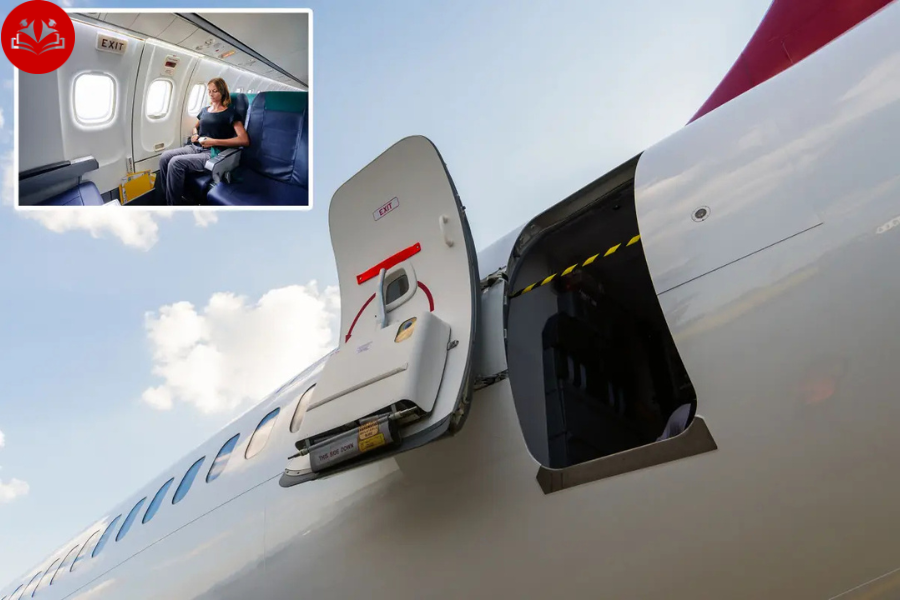
Several factors can contribute to incidents that eventually result in a flight door disturbance emergency landing.
Passenger Panic or Anxiety
Some passengers experience severe anxiety during air travel. In rare cases, panic attacks may cause individuals to act irrationally, including moving toward emergency exits.
Mental Health Emergencies
Medical or psychological episodes can affect a passenger’s judgment and behavior. Cabin crews receive training to recognize and respond to these situations appropriately.
Intoxication
Alcohol-related incidents remain among the most common causes of disruptive behavior aboard aircraft. Intoxicated passengers may ignore instructions or attempt actions that compromise safety.
Deliberate Misconduct
Occasionally, individuals intentionally engage in disruptive or dangerous behavior. Such actions often result in immediate intervention by flight attendants and may trigger a flight door disturbance emergency landing.
Misunderstanding of Aircraft Systems
Some travelers mistakenly believe aircraft doors can be opened during flight. Curiosity or misinformation can sometimes lead to inappropriate interactions with emergency exits.
How Flight Crews Respond to Door Disturbances
Flight crews undergo extensive training to manage emergencies and disruptive passenger situations. Their response during a flight door disturbance emergency landing follows established aviation safety procedures.
The cabin crew serves as the first line of defense. Flight attendants monitor passenger behavior and quickly address concerns before they escalate.
If a passenger approaches an emergency exit suspiciously, crew members may issue verbal warnings, reposition themselves nearby, or request assistance from other crew members.
When necessary, physically capable passengers seated nearby may also be asked to assist in maintaining order until the aircraft lands safely.
Typical Crew Response Actions
| Response Action | Purpose |
| Verbal Intervention | De-escalate behavior |
| Monitoring | Observe passenger actions |
| Restraints if Needed | Prevent further disruption |
| Pilot Notification | Inform cockpit immediately |
| Diversion Assessment | Evaluate emergency landing need |
These procedures help ensure a safe outcome during a flight door disturbance emergency landing.
The Pilot’s Role in Emergency Landing Decisions
The captain holds ultimate responsibility for aircraft safety. Once informed about a serious disturbance, pilots assess multiple factors before deciding whether to continue the flight or divert.
Factors include the severity of the threat, passenger behavior, crew recommendations, distance to the destination, fuel availability, weather conditions, and nearby airports.
A flight door disturbance emergency landing may be ordered if the captain believes the situation could escalate or compromise onboard safety.
Pilots maintain communication with air traffic control throughout the process, ensuring that emergency services are prepared upon arrival.
Security Protocols During a Flight Door Disturbance Emergency Landing
Security procedures become a top priority during a flight door disturbance emergency landing.
Modern aviation security frameworks require airlines to treat door-related incidents seriously. Even if the risk appears minimal, precautionary measures are implemented to protect passengers and crew.
Cabin crews document the event in detail, noting passenger actions, witness accounts, and intervention steps taken during the flight.
Ground authorities receive advance notice so they can prepare appropriate responses before the aircraft arrives.
Security Measures Implemented
| Security Measure | Objective |
| Passenger Monitoring | Prevent escalation |
| Incident Reporting | Document behavior |
| Airport Coordination | Prepare authorities |
| Police Presence | Handle suspect safely |
| Evidence Collection | Support investigations |
These actions help maintain aviation security standards during a flight door disturbance emergency landing.
Passenger Experience During an Emergency Landing
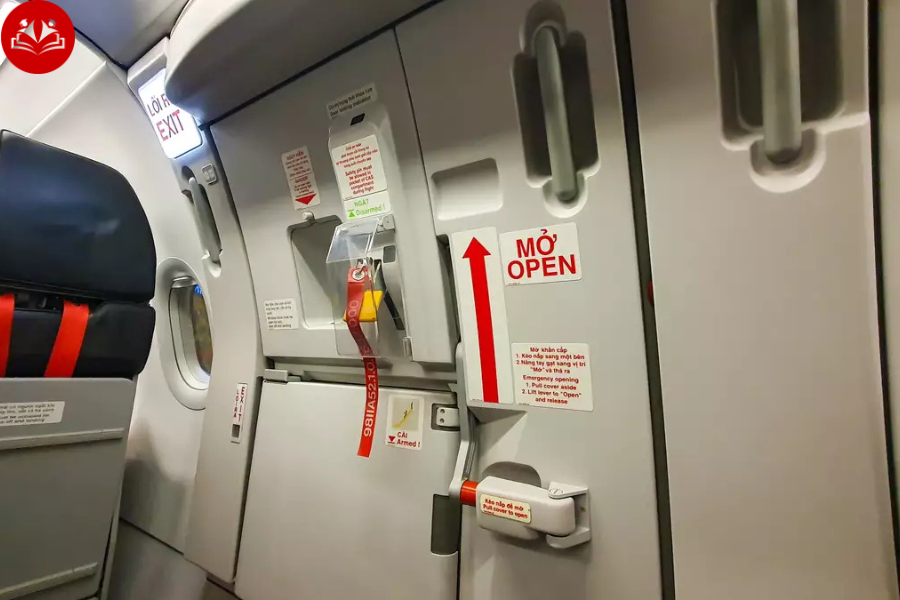
For passengers, a flight door disturbance emergency landing can be stressful and confusing.
Most travelers may not immediately understand the reason for the diversion. Airline crews typically provide limited but reassuring information while focusing on safety.
Passengers are usually instructed to remain seated, fasten seatbelts, and follow crew directions. Calm communication helps reduce anxiety and prevents rumors from spreading throughout the cabin.
Although delays and inconvenience may occur, passenger safety remains the highest priority.
Legal Consequences for Disruptive Passengers
Individuals responsible for incidents leading to a flight door disturbance emergency landing often face serious legal consequences.
Aviation authorities worldwide impose strict penalties for interference with flight operations. Depending on the circumstances, offenders may face fines, arrest, criminal charges, civil lawsuits, or travel restrictions.
Airlines may seek reimbursement for costs associated with diversions, fuel consumption, crew expenses, airport fees, and passenger accommodations.
The financial impact can be substantial, particularly when a diversion affects hundreds of passengers.
How Airlines Train Crews for Door-Related Incidents
Airlines invest heavily in crew training programs designed to prepare employees for a wide variety of emergency situations.
Training related to flight door disturbance emergency landing scenarios includes conflict management, de-escalation techniques, passenger restraint procedures, emergency communication protocols, and coordination with law enforcement.
Flight attendants participate in regular simulations that recreate realistic onboard emergencies.
This ongoing preparation ensures that crews can respond effectively under pressure while maintaining passenger confidence and safety.
Impact on Flight Operations and Airlines
A flight door disturbance emergency landing affects far more than the passengers onboard.
Diversions can disrupt airline schedules, delay connecting flights, require crew replacements, and create operational challenges across an airline’s network.
Airports must allocate gates, emergency services, and security personnel to accommodate the unscheduled arrival.
Operational Impact Overview
| Area Affected | Impact |
| Flight Schedule | Delays and disruptions |
| Airline Costs | Fuel and operational expenses |
| Passenger Connections | Missed flights |
| Crew Resources | Scheduling adjustments |
| Airport Operations | Additional security support |
These disruptions illustrate why airlines take preventive measures to reduce the likelihood of a flight door disturbance emergency landing.
Can Aircraft Doors Actually Open During Flight?
One of the most common misconceptions involves the belief that passengers can easily open aircraft doors while airborne.
In reality, modern commercial aircraft are designed so that cabin pressure effectively seals doors shut during flight. The pressure differential creates forces that make opening a door practically impossible at cruising altitude.
However, attempts to manipulate doors still trigger security responses because the behavior itself may indicate a broader threat.
This is one reason why a flight door disturbance emergency landing can occur even when there is no realistic possibility of a door opening.
Preventing Future Door Disturbance Incidents
The aviation industry continuously works to reduce disruptive passenger incidents.
Airlines use improved screening procedures, enhanced crew training, stricter alcohol policies, and increased passenger awareness campaigns.
Technology also plays a role, with modern aircraft incorporating advanced monitoring systems and reinforced security features.
Public education remains important because understanding aircraft safety systems can help reduce unnecessary panic and misinformation that sometimes contribute to a flight door disturbance emergency landing.
The Importance of Passenger Cooperation
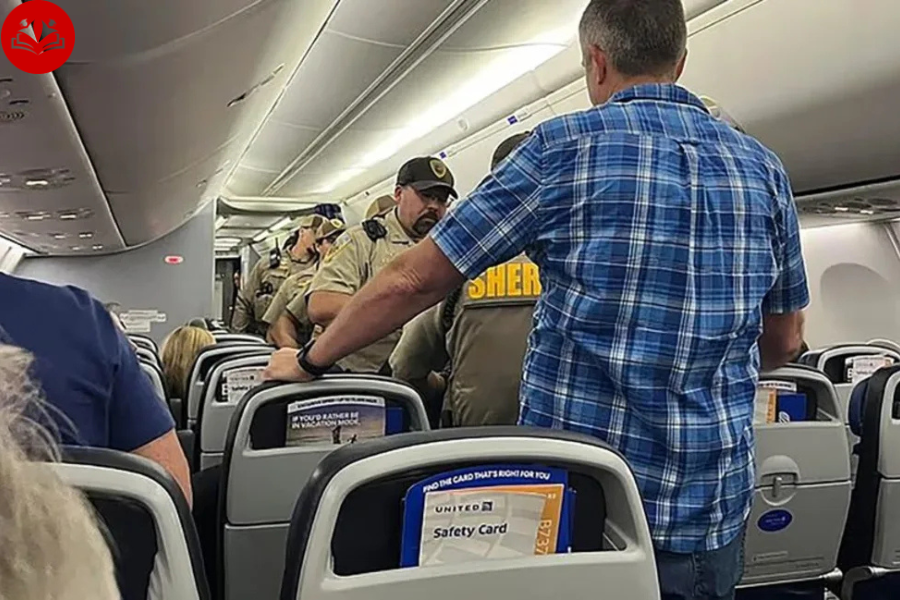
Passenger cooperation plays a significant role in maintaining a safe cabin environment.
Following crew instructions, remaining calm during unusual situations, and reporting suspicious behavior can assist airline staff in managing potential risks effectively.
During a flight door disturbance emergency landing, passengers who cooperate with safety procedures help ensure a smooth and secure outcome for everyone onboard.
Air travel depends on shared responsibility among crew members, airport personnel, security agencies, and passengers themselves.
Conclusion
A flight door disturbance emergency landing is a serious aviation event that occurs when behavior involving aircraft doors or emergency exits raises safety or security concerns. While commercial aircraft doors cannot typically be opened during flight, any attempt to interfere with them is treated with the utmost caution by airlines and aviation authorities.
From crew intervention and pilot decision-making to security coordination and legal consequences, every aspect of the response is designed to protect passengers and maintain the highest safety standards. Understanding the realities behind a flight door disturbance emergency landing helps travelers appreciate the professionalism and preparedness that define modern aviation.
Although such incidents remain relatively rare, they demonstrate the aviation industry’s unwavering commitment to safety, security, and passenger well-being.
Frequently Asked Questions
What is a flight door disturbance emergency landing?
A flight door disturbance emergency landing occurs when an aircraft diverts and lands due to passenger behavior or security concerns involving aircraft doors or emergency exits that may threaten onboard safety.
Can someone open an airplane door during flight?
In most commercial aircraft, cabin pressure makes it practically impossible to open a main passenger door while the aircraft is cruising at altitude.
Why do airlines take door disturbances so seriously?
Aircraft doors are critical safety components. Any attempt to interfere with them may indicate a security threat, causing airlines to follow strict emergency procedures.
What happens to passengers responsible for a door disturbance?
Depending on the situation, individuals may face arrest, fines, criminal charges, civil penalties, travel bans, and liability for diversion-related costs.
Are flight door disturbance emergency landings common?
No. Such incidents are relatively rare, but airlines and aviation authorities treat them seriously because passenger safety and security are always top priorities and more.
