


So, you’re wondering if Facebook ads are just another online trend, or if they can actually bring real work to your construction business. Here’s the direct answer: yes. With the right plan, Facebook ads for construction companies can turn your marketing from “hope someone sees it” into a targeted campaign that brings in real leads. This isn’t about generic advertising. It’s about putting your best work in front of people who need it right now. If you want to get real value from social media, you also need a solid Facebook presence.
What Are Facebook Ads for Construction Companies?
Advertising on Facebook for construction companies means paying to show promotions to new and potential customers across Meta platforms like Facebook and Instagram. These are planned ads (not random posts) that appear in feeds, Stories, or Marketplace. They can highlight your services, special deals, and project photos.
Many service businesses use them, including HVAC companies, plumbers, electricians, handymen, and roofers. Common goals include:
- Getting more qualified leads
- Increasing local brand visibility
- Turning interest into booked jobs
Why Use Facebook Ads in Construction Marketing?
How businesses reach customers has changed, and Facebook (Meta) ads have changed too. They are now more targeted and more advanced than they were a few years ago. People spend a lot of time on these apps-about 2 hours and 24 minutes per day on average. That’s a big audience that you can reach again and again.
Word-of-mouth is still strong in construction, but Facebook ads help you reach people outside your usual network. They also help you build trust before someone calls you. You can show your services to the right homeowners or developers at the moment they start thinking about a renovation, a new build, or a repair. And you can adjust campaigns to match your goals and budget.
How Do Facebook Ads Differ for Construction Compared to Other Industries?
Facebook ads work in similar ways for most industries, but construction has a few special needs. In e-commerce, ads often focus on products and fast purchases. In construction, the focus is more on visuals and trust. You’re not selling a small product-you’re selling skill, reliability, and a major improvement to someone’s property.
That’s why construction ads often work best with:
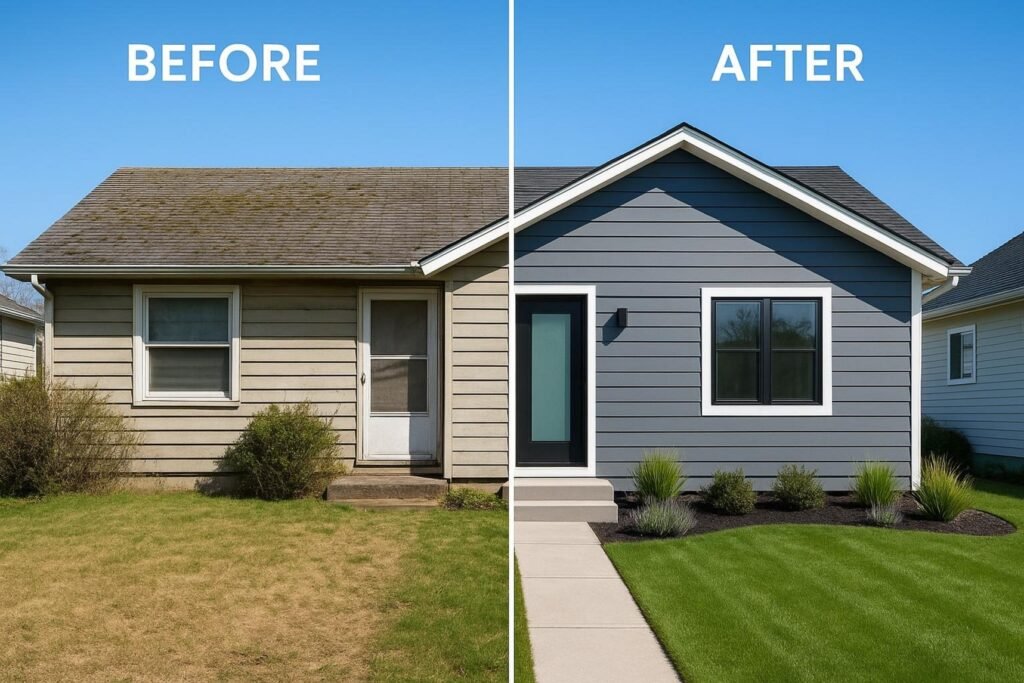
- Clear before-and-after photos
- Project walk-through videos
- Proof of quality and reliability
Construction projects also have longer decision timelines, so ads often need to “warm up” leads over time instead of pushing for a quick purchase.
Targeting is usually very local and often depends on the customer type (homeowners, developers, architects, and so on). Also, some ads (like hiring or promoting housing) can fall under Facebook’s “Special Ad Categories,” which can limit targeting options and adds extra policy rules. Knowing these differences helps you build campaigns that feel right and perform well.
What Are the Benefits of Facebook Advertising for Construction Firms?
For construction companies that want more visibility and a steady pipeline of jobs, Facebook ads have real advantages. It’s not just about more views-it’s about reaching the right people with the right message.
Local Audience Targeting for Increased Leads
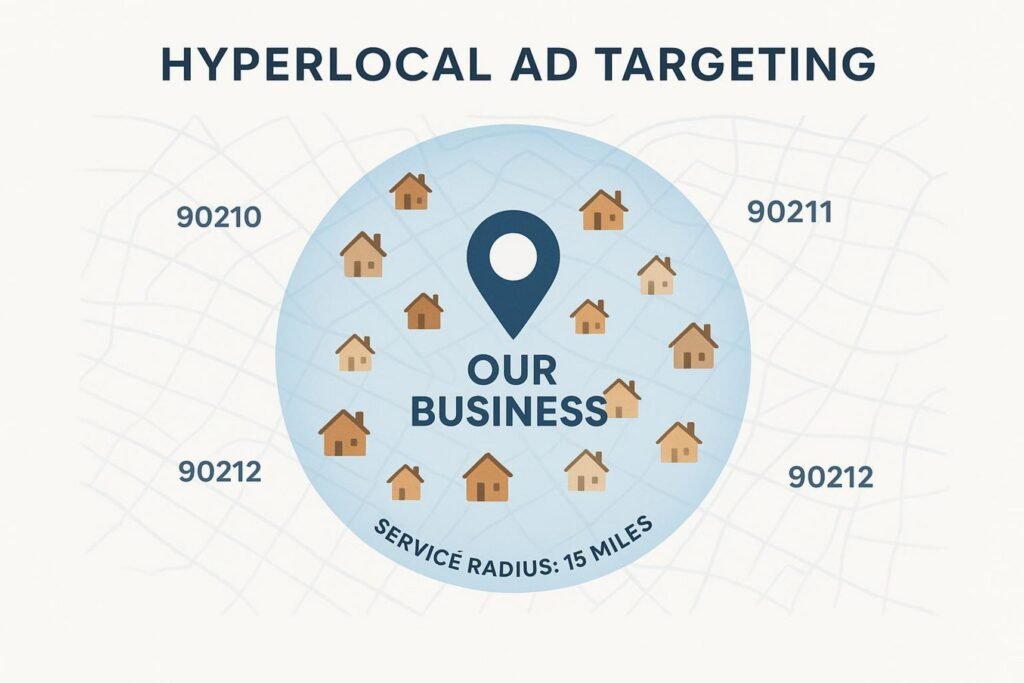
One of the biggest benefits is local targeting. You can show ads only to people in certain neighborhoods, cities, zip codes, or within a set distance from your business. This helps you spend your budget on people you can actually serve.
This can help you:
- Cut wasted spending outside your service area
- Get more local, qualified leads
- Keep crews working closer to home
You can also run local awareness ads that talk about community involvement and make your company feel familiar in town.
Direct Promotion of Construction Services
Facebook ads are great for promoting specific services. If you do roofing inspections, plumbing repairs, custom home builds, or commercial work, you can make separate campaigns for each one.
With strong photos, short videos, or limited-time offers, you can put one service front and center and push people to take action-especially when the need is urgent.
Improved Brand Awareness and Trust
Trust is everything in construction. Facebook ads help build familiarity. When people see your name, logo, and finished projects often, they start to recognize you. That familiarity makes you feel like a safer choice.
Over time, that repeated exposure can help position you as a go-to company in your area.
Cost-Effective Lead Generation
Facebook ads can be budget-friendly compared to many traditional options. You can start with a small daily budget and increase it later. You can also set spending limits and adjust based on results.
Because Facebook shows performance data quickly, even small contractors can see what’s working and make changes without spending a fortune. And if managing campaigns on your own feels overwhelming, construction-focused agencies like BuiltFor Studio can help fine-tune your social media presence so every dollar works harder.
Which Types of Facebook Ads Work Best for Construction Companies?
Facebook has several ad formats. For construction, the best ones usually highlight your work clearly, build trust, and make it easy for people to contact you.
Image Ads Showcasing Completed Projects
A single strong photo can do a lot. Image ads help you get attention fast. Use clear, high-quality photos that show results, like:
- A finished kitchen remodel
- A new roof
- A clean HVAC install
Add a short, clear caption and you have an ad that makes people stop scrolling.
Video Ads Highlighting Transformations
Video helps people “see” the quality of your work. Short clips like walkthroughs, time-lapses, or quick tips from your team can build trust and get more engagement.
Good video tips:
- Keep it short (about 15 seconds for vertical placements)
- Design for mobile first
- Add captions (many people watch with sound off)
Carousel Ads for Multi-Project Displays
Carousel ads let people swipe through multiple images or videos in one ad. Construction companies can use them to show:
- Different services
- Different stages of one project
- Multiple angles of a finished job
- Testimonials alongside photos
This format keeps people engaged longer and helps you tell a fuller story.
Lead Generation Ads for Direct Inquiries
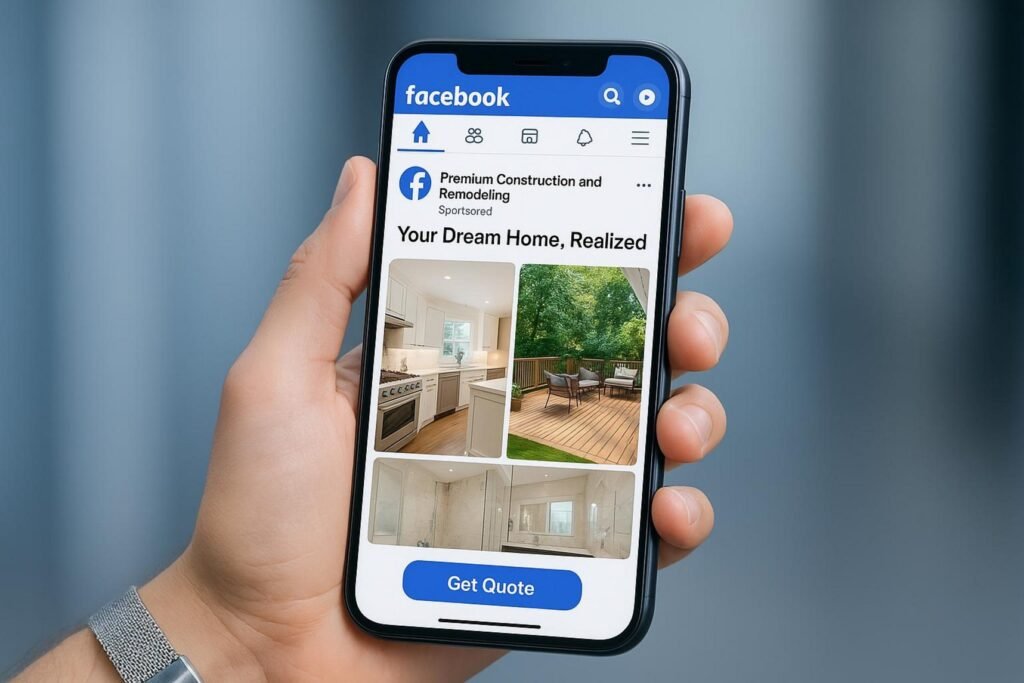
Lead ads make it easy for people to request a quote without leaving Facebook. When someone clicks, they can message you (Messenger/Instagram/WhatsApp) or fill out a built-in form that often auto-fills their contact info.
To improve lead quality:
- Use the “Higher intent” option (adds a review step)
- Ask custom questions (project type, timeline, location)
- Connect the form to your CRM so follow-up is faster
Instant Experience and Collection Ads for Engagement
Instant Experience ads open a full-screen, mobile-friendly page inside Facebook. They can combine photos, video, text, and buttons. Contractors can use them for:
- Project galleries
- Customer review highlights
- Simple explanations of services
Collection ads also let people browse multiple items easily, usually starting with a main image and then showing several clickable options (services, offers, or project types).
Both formats help people learn more and take action without extra steps.
How Should Construction Companies Define Their Facebook Ad Goals?
Before you build ads, you need clear goals you can measure. Without a goal, your ads are like building without a plan-expensive and messy. Ads won’t grow your business by themselves. They need to connect to real business goals.
Identifying Lead Generation vs. Brand Awareness Objectives
Meta groups campaign objectives into categories like Awareness, Traffic, Engagement, Leads, App Promotion, and Sales. For most contractors, the main ones are Awareness, Engagement, Leads, and sometimes Sales.
- Awareness: Helps new local people learn your name and remember you.
- Engagement: Gets likes, comments, and shares, which can increase reach.
- Leads: Gets quote requests, bookings, or service inquiries.
- Sales: Can work for services too, like pushing consultations or evaluations.
Good goals sound like: “Leads for estimate requests” or “Awareness in these zip codes.”
Setting Performance Targets and Success Metrics
After picking goals, set targets and decide what you’ll track. This helps you understand if you’re getting value back.
Common KPIs include:
- Click-Through Rate (CTR): How often people click your ad
- Conversion Rate: How often clicks turn into actions (forms, calls, bookings)
- Engagement: Likes, comments, shares
- Leads: Number of inquiries
- Return on Investment (ROI): Revenue compared to ad cost
Facebook Ads Manager shows these results. Tools like ServiceTitan’s Ads Optimizer can also help connect ad results to booked calls. Check results often so you can adjust your message, budget, or audience.
How Can Construction Companies Target the Right Audience on Facebook?
Picking the right audience is the second big step. It’s not enough to “be online.” You need the right people to see your ads. Facebook targeting is powerful and can be very precise.
Utilizing Geographic and Demographic Filters
For construction, local targeting matters most. You can narrow by:
- Location: Countries, cities, zip codes, neighborhoods, or a radius around your office or job site.
- Demographics: Age, gender, and sometimes income level. For residential work, life events like “Recently Purchased a Home” can work well.
This helps you reach people who are more likely to hire you. For general awareness, you can target your town and focus on community-related messaging.
Interest and Behavior Targeting Relevant to Construction Services
You can also target by interests and behaviors.
- Interests: home improvement, remodeling, interior design, real estate, gardening, and related topics
- Behaviors: sometimes useful, but often less exact than interests for contractors
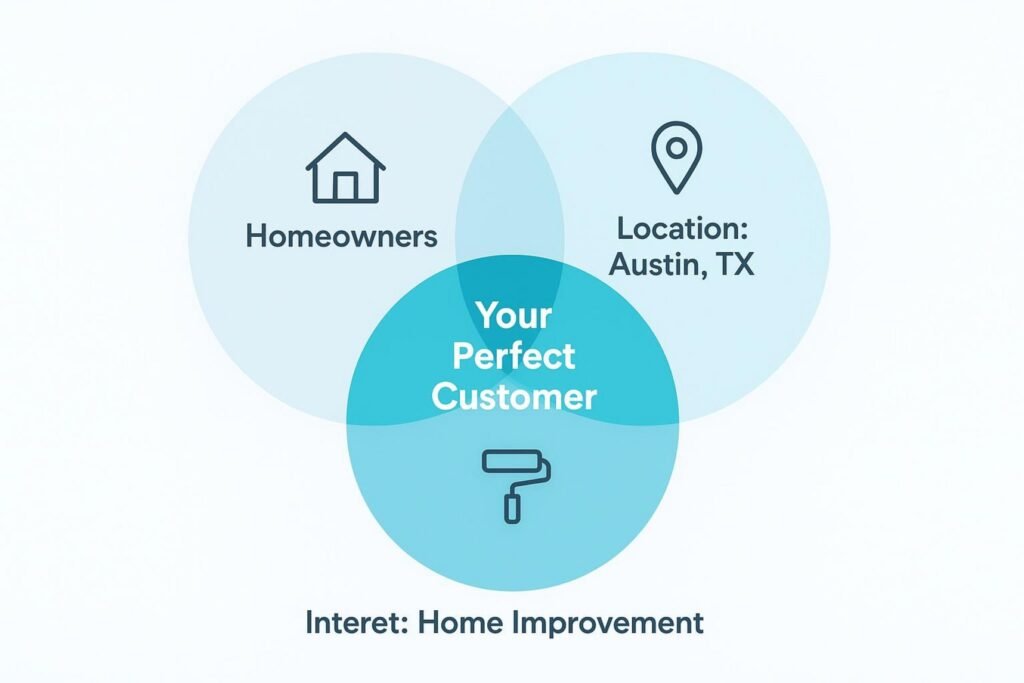
You can combine filters too. Example: homeowners in a certain zip code + interest in kitchen renovations.
Custom Audiences for Previous Clients and Website Visitors
Custom Audiences let you advertise to people who already know you (warm leads).
- Website visitors: Use the Meta Pixel (and Conversions API for better tracking) to show ads to people who visited your site, viewed services, or started a form.
- Customer lists: Upload contacts from your CRM and run ads for repeat work, referrals, or seasonal check-ups.
- Engagement audiences: Target people who watched your videos, liked posts, or messaged you.
After that, you can create Lookalike Audiences (often 1% to 10% of a country’s population). These are new people who “look like” your best customers or most engaged visitors. This is a strong way to find new prospects who are more likely to be a good fit.
How Much Should Construction Companies Budget for Facebook Ads?
Your budget affects how many people you reach and how many leads you can get. Budgeting isn’t just picking a number-it’s choosing how to spend money in a way that brings work back. The more specific your targeting, the more you may need to spend to reach enough of that audience (since you’re competing for ad space).
There isn’t one perfect starting amount. Hootsuite suggests businesses have a few basics in place before paying for ads, like:
- At least 100 page Likes (followers)
- A Meta Pixel installed
- Clear marketing goals
- 20+ page posts
- Several creative options for each ad
- A plan for A/B testing
Differences Between Campaign, Ad Set, Daily, and Lifetime Budgets
Facebook gives you several ways to manage spending:
- Campaign budgets: Facebook spreads money across ad sets and pushes more budget to the best performers. Good if you want Facebook to optimize automatically.
- Ad set budgets: You set spending for each audience/ad set. Good for testing and tighter control.
- Daily budgets: You spend a set amount per day. Good for steady, ongoing campaigns.
- Lifetime budgets: You set a total budget for a full date range. Facebook spreads it over time. Good for seasonal promos or limited-time offers. If you want ads to run only at certain hours, lifetime budgets with scheduling work well.
Estimating Cost Per Lead and Return on Ad Spend
To manage spending, estimate CPL and ROAS.
- Cost Per Lead (CPL): average cost to get one lead
- Return on Ad Spend (ROAS): revenue earned for each dollar spent
Match your bid strategy to your goal:
- “Highest volume” for more leads
- “Cost cap” or “Bid cap” for more control over CPL
A common tip is aiming for about 50 optimization events per ad set per week so Facebook can learn faster and improve delivery. To track results across channels and tie ads to actual revenue, tools like ServiceTitan’s Google Ads and Analytics can help.
What Makes a Facebook Ad Effective in the Construction Industry?
A good construction ad needs more than a nice photo. It should grab attention, explain value quickly, and make the next step simple.
Using High-Quality Visuals to Build Credibility
In construction, people want proof. Use sharp, clear photos and videos that show your work. Great options include:
- Before-and-after images
- Clean, well-lit finished shots
- Short clips of projects in progress
Use consistent branding so people start to recognize your company.
Compelling Copy That Speaks to Homeowners and Developers
Photos pull people in, but your words help them decide. Keep copy short, clear, and focused on benefits people care about, like trust, speed, and quality.
Instead of only listing services, explain what the customer gets. Examples:
- “Fast, reliable repairs from a local team.”
- “High-quality remodels with clear timelines.”
People scroll quickly on Facebook, so keep it simple and direct.
Strong Calls-to-Action for Service Inquiries
Every ad should have one clear CTA. Tell people what to do next:
- Learn More
- Get a Quote
- Call Now
- Schedule a Consultation
Make it easy to contact you and move from interest to a booked job.
Incorporating Testimonials and Social Proof
Social proof matters a lot in construction. Add:
- Reviews and ratings
- Short testimonials
- Awards or certifications
- Photos of finished projects with customer comments
This helps people feel safer choosing you.
Adapting Ads for Mobile Viewing
Most people use Facebook on mobile. Your ads should be easy to view on small screens:
- Use the right sizes (1:1 or 4:5 for Feed, 9:16 for Stories/Reels)
- Keep text readable
- Keep messages short
Also, any page you send people to should work well on mobile.
Best Practices for Facebook Advertising in Construction
To get better results, you need a clear plan and regular updates. These practices help contractors run campaigns that keep producing leads.
Focusing on Local Service Areas
Local targeting is the base of success. Use zip codes, city targeting, neighborhood targeting, and radius targeting so you reach people you can actually serve. This reduces wasted spend and increases lead quality.
A/B Testing Visuals and Messaging
Don’t guess what will work. Test it. Run A/B tests with:
- Different photos vs. videos
- Different headlines
- Different offers
- Different ad text
Facebook’s split testing tools help you compare results and keep improving.
Retargeting Interested Prospects
Many people won’t contact you the first time they see your ad. Retargeting helps you stay in front of warm leads, like:
- Website visitors
- People who watched your videos
- People who interacted with your page
Show follow-up ads with testimonials, project highlights, or a limited-time offer to help push them to take action.
Tracking and Analyzing Ad Performance
Ads need regular check-ins. Track KPIs like:
- CTR
- CPL
- Conversion rate
- Engagement
Use the data to adjust targeting, budgets, and creative. Testing and improvement over time leads to better performance.
Utilizing Special Offers and Promotions
Limited-time promotions can increase action. Use seasonal offers and clear savings, such as:
- Fall furnace check-up discounts
- Post-storm roof inspections
- Limited-time install pricing
Clear deals plus a strong CTA can improve conversions.
Common Mistakes Construction Companies Make with Facebook Ads
Facebook ads can work very well, but some mistakes can waste money fast. Avoid these common problems.
Overlooking Specific Audience Targeting
Treating Facebook like a billboard for everyone is a common issue. Broad targeting leads to wasted budget and low-quality leads. Location, demographics, and interests matter. Specific ads for specific people almost always perform better.
Failing to Optimize for Mobile Users
If your ad looks bad on mobile, people scroll past. Common problems include:
- Wrong image/video size
- Too much text
- Landing pages that don’t work well on mobile
A poor mobile experience leads to lost leads.
Ignoring the Importance of Social Proof
Construction is trust-based. Ads with no reviews, testimonials, or project proof often feel risky to customers. Social proof helps people feel confident contacting you.
Neglecting Regular Ad Optimization
Running ads and never checking results usually leads to higher costs and weaker results. If you don’t review KPIs, test new creative, and adjust targeting, campaigns can stall. Strong Facebook ads need regular updates.
What Should You Do After Getting Leads from Facebook Ads?
Getting leads is a win, but the real goal is turning those leads into booked work. What you do after the lead comes in makes a big difference.
Responding Quickly to Inquiries
Fast replies help you win more jobs. Try to respond in minutes, not hours. Templates can help you reply quickly, but personalize each message. A fast response shows professionalism and builds trust right away.
Following Up to Build Relationships
Not every lead is ready to book immediately. Use consistent follow-up to stay in touch. This can include calls, emails, and retargeting ads.
During early conversations, ask questions to qualify the lead:
- What work do they need?
- How soon do they want to start?
- What is their budget range?
This helps you focus on your best opportunities and follow up in a smart way.
Nurturing Leads through Email or Retargeting
You can also keep leads warm through other channels:
- Email marketing: Invite leads to join your email list so you can send welcome emails, tips, project examples, and seasonal offers. This helps build loyalty and keeps your company in mind.
- Retargeting campaigns: Show follow-up ads to people who visited your site or clicked but didn’t contact you. Use testimonials or limited-time offers to bring them back.
Tools like ServiceTitan’s Follow Up module can help collect leads, track estimates, and set reminders so nothing gets missed.
Examples of Successful Facebook Ads for Construction Companies
Looking at what works for others can help you plan your own ads. These examples show different approaches that often connect well with construction audiences.
Visual Showcases of Before-and-After Projects
Before-and-after ads are powerful because they show results fast. A clear “before” next to a great “after” proves your skills in seconds.
Examples include:
- An outdated bathroom turned into a modern space
- A worn exterior replaced with fresh siding
These ads help people imagine what you can do for their own home and build trust through proof.
Ads Featuring Customer Testimonials
Ads with real customer feedback build confidence. Many successful ads include:
- A short quote from a homeowner
- Review screenshots
- A quick client video
For example, Payless Rooter & Mato Plumbing uses strong copy and video to explain their service, including free second opinions and a promise not to overcharge. That message focuses on customer concerns and builds trust quickly.
Seasonal or Limited-Time Offer Campaigns
Seasonal offers often perform well because they match real needs at specific times of year.
Examples:
- Johnson’s Heating & Cooling ran a fall promotion with a fun visual and local targeting in Beaver County. They also highlighted 24/7 emergency service.
- Covenant Roofing and Construction promoted new roof installs for $129 per month in Jacksonville, focusing on durability, quality, and peace of mind.
- Roof Angel pushed storm-damage homeowners to act before winter, creating urgency.
These show how clear offers, strong benefits, and a direct CTA can drive bookings.
Frequently Asked Questions about Facebook Advertising for Construction Companies
Here are some common questions construction companies ask about Facebook advertising.
Do Facebook Ads Work for Small Construction Businesses?
Yes. Facebook ads work well for small construction businesses because you can target locally and start with a small daily budget. This makes it possible to compete with bigger companies. By showing your work and promoting your services to nearby homeowners, you can build awareness and get leads without huge spending.
How Fast Can You See Results from Facebook Ads?
Paid ads can get results quickly. You may see impressions, clicks, and even leads within hours or days of launching a well-built campaign. That makes Facebook useful for short-term promotions or fast lead generation.
That said, better CPL and steady performance usually come from ongoing testing and regular updates over time.
Should Construction Companies Hire a Facebook Ads Specialist?
You can run ads yourself, but Facebook changes often, and ad policies can be confusing. If you don’t have a marketing team, hiring a specialist can help you:
- Build a clear strategy based on your goals
- Stay up to date with platform changes (like Meta Verified, launched in early 2023 for $11.99/month on the web, focused on authenticity and security)
- Monitor results, run tests, and improve performance over time
- Handle policy rules and ad setup details
Doing it yourself may look cheaper at first, but weak campaigns can waste money. A specialist can help you get better results from the same budget.
Conclusion
Using Facebook ads for a construction company isn’t about running a few posts and hoping for the best. It’s about using a clear online plan that helps you connect with the right customers again and again. Ads change over time, but the basics still matter: strong visuals, clear messages, and accurate targeting.
Facebook ads also work best as part of a bigger marketing system that includes your website, email, and other channels, so customers get a smooth experience from first click to first call.
Good construction marketing is built on consistency. Show up often, show proof of quality, and keep improving based on real results. If you treat your Facebook presence with the same care you bring to job sites, you can build steady leads and long-term growth.
