


Table of Contents
Introduction
The financial technology industry continues to evolve at an unprecedented pace, reshaping how businesses, consumers, and institutions interact with money. Among the most discussed topics in the fintech ecosystem today is ftasiafinance business trends from fintechasia, a concept that highlights the latest developments, innovations, and strategic shifts transforming financial markets across Asia and beyond.
As digital transformation accelerates, organizations are increasingly turning to technology-driven financial solutions to improve efficiency, customer experience, and profitability. The insights surrounding ftasiafinance business trends from fintechasia provide valuable perspectives on emerging technologies, changing consumer behaviors, regulatory developments, and new business models that are redefining the global financial landscape.
Understanding these trends is essential for entrepreneurs, investors, financial institutions, and technology leaders seeking to remain competitive in a rapidly changing environment. This comprehensive guide explores the most significant developments shaping the fintech sector and examines how businesses can leverage these innovations for sustainable growth.
Understanding FTAsiaFinance Business Trends from FintechAsia
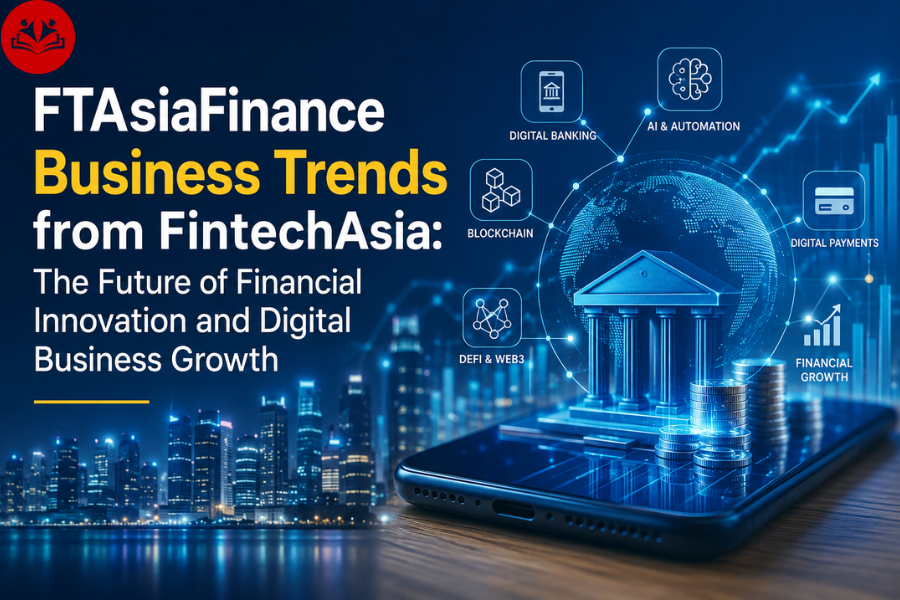
The concept of ftasiafinance business trends from fintechasia refers to the evolving patterns, innovations, and market developments influencing financial technology businesses across Asia. These trends encompass digital banking, artificial intelligence, blockchain technology, embedded finance, digital payments, cybersecurity, and regulatory innovation.
Fintech companies are no longer simply disrupting traditional banking. They are creating entirely new financial ecosystems where customers can access banking, lending, insurance, investments, and payment services through integrated digital platforms.
Key Areas Driving Growth
| Growth Driver | Business Impact |
| Digital Banking | Enhanced customer accessibility |
| Artificial Intelligence | Improved automation and analytics |
| Blockchain Technology | Greater transparency and security |
| Embedded Finance | New revenue opportunities |
| Digital Payments | Faster transactions and convenience |
| Open Banking | Expanded financial partnerships |
The increasing importance of ftasiafinance business trends from fintechasia demonstrates how financial institutions are embracing innovation to meet changing consumer expectations and market demands.
The Rise of Digital Banking Platforms
Digital banking has become one of the strongest forces behind ftasiafinance business trends from fintechasia. Traditional banks are investing heavily in digital infrastructure while new fintech companies continue launching fully online banking services.
Consumers now expect instant account creation, real-time transactions, mobile banking access, and personalized financial services. Digital banks provide these features while reducing operational costs associated with physical branches.
Financial institutions are leveraging cloud computing and advanced analytics to offer seamless experiences across multiple devices. This transition is making banking more accessible, particularly in underserved regions where traditional banking infrastructure may be limited.
As digital banking adoption increases, businesses gain access to faster payment processing, improved cash flow management, and enhanced customer engagement opportunities.
Artificial Intelligence and Smart Financial Services
Artificial intelligence is playing a transformative role in ftasiafinance business trends from fintechasia. Financial organizations are using AI to automate processes, analyze customer behavior, detect fraud, and improve decision-making.
Machine learning algorithms can process vast amounts of financial data in real time, helping institutions identify patterns and predict future trends. This capability allows businesses to create highly personalized financial products and services.
AI Applications in Financial Technology
| AI Solution | Primary Benefit |
| Fraud Detection | Enhanced security |
| Credit Scoring | Faster loan approvals |
| Customer Support Chatbots | Improved service efficiency |
| Predictive Analytics | Better forecasting |
| Personalized Recommendations | Higher customer satisfaction |
| Risk Assessment | Reduced financial losses |
The growing adoption of AI reinforces the significance of ftasiafinance business trends from fintechasia as organizations seek smarter and more efficient ways to serve customers.
Blockchain Technology and Decentralized Finance

Blockchain innovation remains a central component of ftasiafinance business trends from fintechasia. The technology provides secure, transparent, and tamper-resistant transaction records, making it attractive for financial institutions and businesses.
Decentralized finance, commonly known as DeFi, is introducing alternative approaches to lending, borrowing, investing, and payments. By removing intermediaries, blockchain-based platforms can reduce transaction costs and increase accessibility.
Businesses are exploring blockchain for supply chain finance, cross-border payments, identity verification, and smart contracts. These applications have the potential to streamline operations while improving trust among stakeholders.
As blockchain ecosystems mature, they are expected to become increasingly integrated into mainstream financial services.
Embedded Finance Is Creating New Opportunities
One of the fastest-growing aspects of ftasiafinance business trends from fintechasia is embedded finance. This model allows non-financial companies to integrate financial services directly into their products and platforms.
Consumers can now access payment solutions, insurance products, lending services, and investment tools without leaving the applications they already use daily. This seamless experience creates convenience while generating additional revenue streams for businesses.
E-commerce platforms, ride-sharing applications, and software providers are increasingly adopting embedded finance solutions to enhance customer engagement and loyalty.
The trend demonstrates how financial services are becoming an invisible yet essential part of everyday digital experiences.
Digital Payments Continue to Expand
The rapid growth of digital payments is another major theme within ftasiafinance business trends from fintechasia. Mobile wallets, QR code payments, contactless transactions, and real-time payment systems are transforming how people conduct financial transactions.
Consumers increasingly prefer fast, secure, and convenient payment methods. Businesses that adopt modern payment technologies can improve customer satisfaction while reducing transaction friction.
Popular Digital Payment Trends
| Payment Innovation | Business Advantage |
| Mobile Wallets | Increased convenience |
| QR Payments | Lower infrastructure costs |
| Contactless Cards | Faster checkout experiences |
| Instant Transfers | Improved cash flow |
| Cross-Border Payments | Expanded global reach |
| Biometric Payments | Enhanced security |
The continuous evolution of payment technologies highlights the importance of monitoring ftasiafinance business trends from fintechasia for future growth opportunities.
Open Banking and Data Sharing Innovation
Open banking is changing how financial institutions collaborate with technology providers. Through secure application programming interfaces, customers can grant access to financial data that enables innovative services and personalized experiences.
This development is a significant part of ftasiafinance business trends from fintechasia, encouraging competition and fostering innovation throughout the financial ecosystem.
Open banking enables businesses to create smarter budgeting tools, personalized lending solutions, automated financial planning services, and integrated payment experiences.
As regulations continue to evolve, open banking is expected to unlock new opportunities for collaboration and value creation.
Cybersecurity Becomes a Strategic Priority
As financial services become increasingly digital, cybersecurity has emerged as a critical focus within ftasiafinance business trends from fintechasia.
Financial institutions handle sensitive customer data and high-value transactions, making them attractive targets for cybercriminals. Organizations must invest in advanced security technologies and proactive risk management strategies.
Modern cybersecurity approaches include artificial intelligence-powered threat detection, multi-factor authentication, encryption technologies, and continuous monitoring systems.
Businesses that prioritize cybersecurity can build trust, protect customer assets, and maintain regulatory compliance in a rapidly evolving threat environment.
Regulatory Technology and Compliance Transformation

Regulatory technology, commonly known as RegTech, is becoming increasingly important within ftasiafinance business trends from fintechasia. Financial institutions face growing compliance requirements that demand greater efficiency and accuracy.
RegTech solutions use automation, artificial intelligence, and advanced analytics to simplify regulatory reporting and risk management processes.
Benefits of Regulatory Technology
| RegTech Feature | Organizational Benefit |
| Automated Compliance | Reduced manual effort |
| Real-Time Monitoring | Faster issue detection |
| Risk Analytics | Better decision-making |
| Regulatory Reporting | Improved accuracy |
| Identity Verification | Enhanced security |
| Data Management | Greater efficiency |
The adoption of RegTech enables businesses to reduce costs while maintaining strong compliance standards.
Sustainable Finance and ESG Integration
Environmental, Social, and Governance principles are becoming increasingly influential within ftasiafinance business trends from fintechasia.
Investors, consumers, and regulators are placing greater emphasis on sustainability and responsible business practices. Financial institutions are responding by developing ESG-focused investment products, sustainable lending programs, and green financing initiatives.
Technology is helping organizations measure environmental impact, assess sustainability risks, and improve transparency in reporting.
Businesses that embrace sustainable finance strategies can strengthen their reputation while attracting environmentally conscious investors and customers.
The Future of Cross-Border Financial Services
Cross-border financial services represent one of the most exciting areas within ftasiafinance business trends from fintechasia. Global commerce requires efficient and affordable methods for transferring funds across international markets.
Traditional international transactions often involve delays, high fees, and complex processing procedures. Fintech companies are addressing these challenges through innovative payment networks and digital solutions.
Emerging technologies are making cross-border transactions faster, more transparent, and more cost-effective. This evolution supports global trade while creating opportunities for businesses to expand internationally.
As international financial connectivity improves, companies will gain greater flexibility in serving customers across multiple regions.
How Businesses Can Benefit from These Trends
Organizations that understand ftasiafinance business trends from fintechasia can position themselves for long-term success. Adopting innovative technologies enables businesses to improve operational efficiency, enhance customer experiences, and create competitive advantages.
Digital transformation is no longer optional. Companies that embrace fintech innovations can streamline workflows, reduce costs, increase revenue opportunities, and respond more effectively to changing market conditions.
The key lies in identifying relevant technologies and implementing them strategically to support business objectives.
Challenges Facing the Fintech Industry

Despite tremendous growth opportunities, ftasiafinance business trends from fintechasia also reveal several challenges that businesses must navigate carefully.
Regulatory complexity, cybersecurity threats, technological integration issues, and market competition can create obstacles for fintech adoption. Organizations must balance innovation with risk management while ensuring compliance with evolving regulations.
Talent shortages in specialized technology fields also present challenges for companies seeking to accelerate digital transformation initiatives.
Businesses that develop flexible strategies and invest in continuous learning will be better prepared to overcome these obstacles.
Conclusion
The evolution of ftasiafinance business trends from fintechasia reflects the broader transformation occurring throughout the global financial sector. Digital banking, artificial intelligence, blockchain technology, embedded finance, cybersecurity, open banking, and sustainable finance are collectively reshaping how financial services are delivered and consumed.
As technology continues to advance, businesses must remain informed about emerging developments and adapt proactively to changing market conditions. Organizations that embrace innovation while maintaining strong governance and security practices will be best positioned to thrive in the future financial landscape.
The growing influence of ftasiafinance business trends from fintechasia demonstrates that the future of finance will be increasingly digital, interconnected, data-driven, and customer-centric. Businesses that understand and leverage these trends today will gain a significant advantage in tomorrow’s competitive marketplace.
Frequently Asked Questions
What does ftasiafinance business trends from fintechasia mean?
FTAsiaFinance business trends from FintechAsia refers to the latest developments, innovations, and strategic shifts influencing the fintech and financial services industry, particularly across Asian markets and global digital finance ecosystems.
Why are digital banking platforms important in fintech?
Digital banking platforms improve accessibility, reduce operational costs, provide real-time services, and offer personalized financial experiences that meet modern customer expectations.
How is artificial intelligence impacting financial services?
Artificial intelligence helps financial institutions automate operations, detect fraud, improve customer support, assess risk, and provide personalized financial recommendations based on data analysis.
What role does blockchain play in modern finance?
Blockchain enhances transparency, security, and efficiency by creating decentralized and tamper-resistant transaction records used in payments, lending, smart contracts, and digital asset management.
How can businesses benefit from fintech trends?
Businesses can improve operational efficiency, reduce costs, enhance customer experiences, create new revenue streams, strengthen security, and gain competitive advantages by adopting fintech innovations and more.
